


Every cutting tool serves a specific role based on its form. Small changes in edge design can affect control, precision, and efficiency. Many users compare options through Knife Reviews before selecting a suitable model. Different patterns are created for different daily needs. Some suit detailed work while others handle heavier jobs. Learning these distinctions helps users make better choices for common tasks.
Common Forms for Daily Use
Different edge profiles support different activities. A narrow profile works well for precise work. A broader design handles tougher materials more effectively. Selecting the right option improves safety and overall performance.
Material Contact and Control
The way an edge meets a surface affects cutting results. Certain profiles reduce resistance during use. Others increase strength near the tip area. This balance influences handling during repeated tasks.
Popular Patterns Across Various Jobs
Different designs suit different cutting purposes. Each option offers distinct advantages depending on the task.
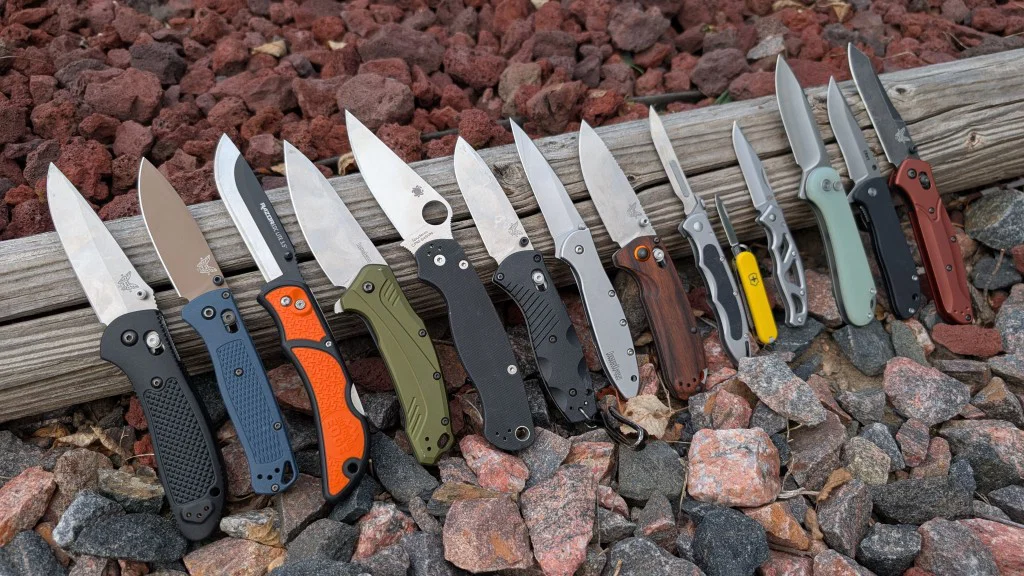
- Drop point profile provides balanced control during routine cutting work.
- Clip point design supports detailed piercing through narrow openings.
- Straight spine pattern delivers reliable guidance across flat materials.
- Rounded tip structure lowers accidental puncture risk significantly.
- Broad belly shape improves slicing action through thicker items.
- Narrow edge form assists careful trimming around delicate sections.
- Reinforced point structure withstands pressure during demanding applications.
- Compact profile size allows easier handling within restricted spaces.
Edge Geometry and Performance
Edge geometry affects the amount of force required. Thin profiles pass through material more easily. Thicker sections improve durability during harder work. Proper geometry creates a balance between strength and efficiency.
What Features Matter During Selection?
Selecting a suitable option depends on intended use. Users should consider material type, control needs, and expected workload. A design suitable for kitchen preparation may not perform equally well during outdoor activities.
Many buyers study Knife Reviews to compare handling characteristics before making decisions. Reviews often highlight comfort, precision, and long-term reliability. Understanding personal requirements helps narrow choices more effectively than focusing only on appearance.
Matching Designs to Work Needs
A suitable profile should match the intended purpose. Small utility tasks often benefit from narrow shapes. Larger cutting jobs usually require stronger edge support. Correct matching improves both accuracy and efficiency.
Quick Answers for Common Doubts
- Which profile suits everyday use best? Drop point style works for many regular tasks.
- Which design offers better tip precision? Clip point forms assist detailed cutting work.
- Which option improves slicing efficiency? Broad belly patterns support smoother slicing action.
- Which profile reduces puncture chances? Rounded tip styles lower accidental piercing risks.
- Which design handles stronger pressure well? Reinforced points tolerate heavier force during use.
- Which factor affects control most? Edge shape greatly influences handling accuracy.
Shape Comparison at A Glance
Different profiles provide different benefits. Understanding their strengths simplifies selection. The table below presents another useful comparison.
Choosing Tools with Greater Confidence
Understanding Blade Shapes and Their Purpose Across Different Cutting Tasks helps users identify suitable options for specific needs. Each design serves a practical role rather than a decorative one. Matching profile characteristics to intended use improves efficiency and control. Careful selection reduces unnecessary effort during routine work. Consistent attention to function often delivers better results than focusing solely on appearance.